Fireproofing Requirements for Steel Buildings in Saudi Arabia
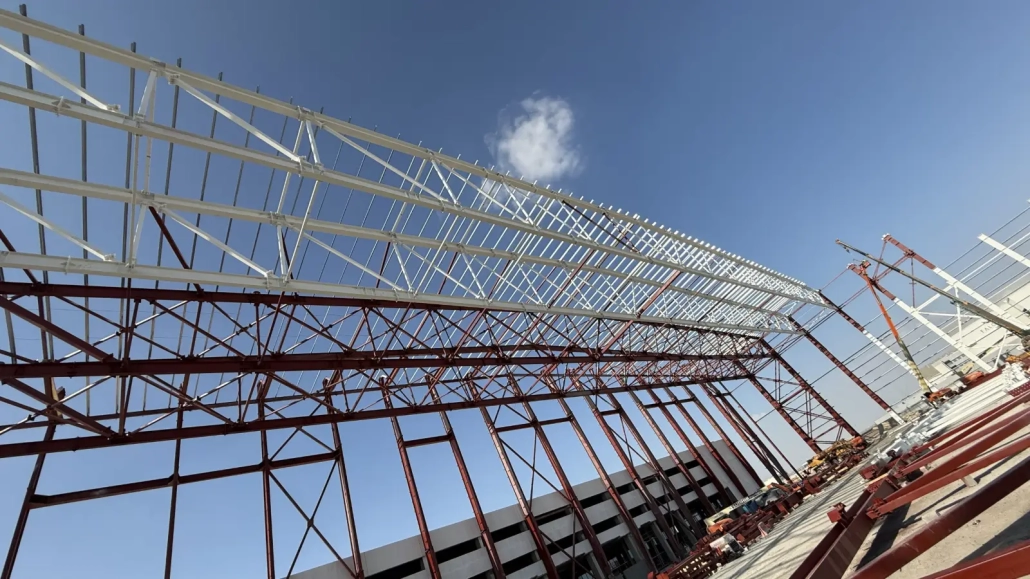
Steel loses strength quickly in a fire. That is why almost every commercial, industrial and public building in Saudi Arabia needs its structural steel protected to a set fire-resistance rating. This guide explains where that requirement comes from and what main contractors and consultants should plan for.
Which codes apply?
Two parts of the Saudi Building Code (SBC) matter most for structural fireproofing:
- SBC 201 (General Building Code). Chapter 6 classifies buildings by type of construction, and the type sets how many hours of fire resistance the primary structural frame, floors and roof need.
- SBC 801 (Saudi Fire Code). It sets minimum fire safety requirements for new and existing buildings and is based on the International Fire Code, with Saudi modifications.
The project’s consultant normally states the required rating on the drawings or in the fire strategy, for example 60, 90 or 120 minutes for the steel frame. Higher-risk occupancies and taller buildings usually need longer ratings.
What does a fire rating mean for steel?
A fire rating is the time a protected steel member must keep carrying its load in a standard fire test. The fireproofing thickness needed to reach that time depends on the rating, the steel section (its section factor, Hp/A) and the limiting temperature the engineer uses. A light, thin-walled section heats faster than a heavy one, so it needs a thicker coating for the same rating.
Approved materials and certified systems
Saudi Civil Defense relies on fire protection products being tested and certified by recognised laboratories and conformity bodies, and SASO certification applies to fire control materials placed on the Saudi market. In practice this means:
- Use a fireproofing product with a valid test certificate for the rating and steel type you need (for example UL-listed systems).
- Keep the manufacturer’s loading tables (thickness per section and rating) with the submittal.
- Use an applicator approved by the manufacturer. Ibtikar is an approved applicator for Hempel and Jazeera Paints.
Inspection and handover
Before handover, the applied dry film thickness (DFT) of intumescent coatings, or the thickness and density of cementitious fireproofing, is measured and recorded member by member against the approved schedule. Clean, complete QC records make the Civil Defense inspection much smoother.
Checklist for your project
- Confirm the required fire rating for each element with your consultant.
- Prepare a steel schedule with section sizes so the thickness can be calculated per member.
- Choose a certified system that suits the environment (indoor, outdoor or hydrocarbon fire risk).
- Agree the primer and topcoat compatibility before work starts.
- Plan DFT inspection and documentation from day one.
Ibtikar Fireproofing is approved by Saudi Civil Defense and works on sites across Saudi Arabia from our Riyadh office. See our fireproofing services or send us your drawings for a system and thickness proposal.
This article is general guidance. Always follow your project specification, the current edition of the Saudi Building Code and your consultant’s instructions.


